

A Guide to Italian Dining Etiquette
- Yaraslau Muradzian
- Oct 20, 2025
- 4 min read

Dining in Italy is more than just eating; it is a cultural experience filled with tradition, respect, and social connection. Understanding Italian table manners can enhance your experience and show respect to your hosts or dining companions. This guide will walk you through the essential aspects of Italian dining etiquette, helping you navigate meals with confidence and grace.
Understanding Italian Table Manners
Italian table manners are rooted in respect for food, family, and company. Meals are often long, leisurely affairs where conversation and enjoyment are just as important as the food itself. Here are some key points to keep in mind:
Punctuality: Arriving on time is appreciated but not always strictly enforced. Being a few minutes late is generally acceptable.
Dress Code: Italians tend to dress smartly for meals, especially in restaurants or formal settings. Casual wear is fine for informal gatherings.
Seating: Wait to be seated or follow the host’s lead. The head of the table is usually reserved for the host or the most senior person.
Napkin Use: Place your napkin on your lap as soon as you sit down. Use it to dab your mouth gently, not to wipe your face.
Hands on the Table: Keep your hands visible but rest your wrists on the edge of the table, not your elbows.
These manners reflect the Italian appreciation for food and company, emphasizing respect and enjoyment.
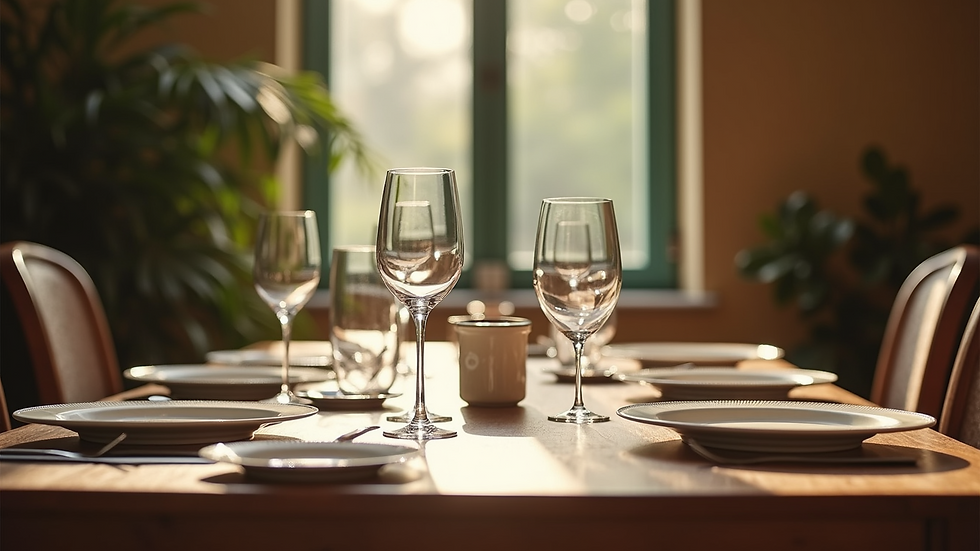
Key Italian Table Manners to Remember
When dining in Italy, certain behaviors are expected to show good manners and respect for the culture. Here are some practical tips:
Wait for the Host to Start
Never start eating until the host says "Buon appetito" or begins the meal. This is a sign of respect and unity.
Use Cutlery Properly
Italians use the continental style of eating - fork in the left hand and knife in the right. Avoid switching hands while eating.
Bread Etiquette
Bread is often used to accompany the meal but not to mop up sauces directly on the plate. Break bread into small pieces with your hands.
No Cheese on Seafood
It is considered a faux pas to add cheese to seafood dishes. Italians believe it masks the delicate flavors.
Pace Yourself
Meals are enjoyed slowly. Don’t rush through courses; savor each dish and the company.
Toasting
When toasting, make eye contact with everyone at the table and say "Salute!" or "Cin cin!" Avoid crossing arms with others.
Coffee Etiquette
Coffee is usually enjoyed after the meal, often as an espresso. Avoid ordering cappuccino after lunch or dinner.
By following these guidelines, you will show appreciation for Italian culture and enjoy a more authentic dining experience.
What do Italians say right before they eat?
Before starting a meal, Italians commonly say "Buon appetito!" This phrase means "Enjoy your meal" and is a warm invitation to begin eating together. It reflects the communal spirit of Italian dining, where sharing food is also about sharing joy and connection.
Saying "Buon appetito" is more than a polite gesture; it sets the tone for the meal. It encourages everyone to relax, enjoy the food, and appreciate the company. If you are dining with Italians, joining in with this phrase is a simple way to show respect and participate in the tradition.

Navigating Italian Courses and Food Customs
Italian meals are structured with multiple courses, each with its own customs:
Antipasto: The appetizer, often including cured meats, cheeses, and vegetables.
Primo: The first course, usually pasta, risotto, or soup.
Secondo: The main course, typically meat or fish.
Contorno: Side dishes, usually vegetables or salad, served alongside the secondo.
Dolce: Dessert, which can range from gelato to pastries.
Caffè: Coffee, usually espresso, served after dessert.
Digestivo: A small glass of liqueur to aid digestion, such as limoncello or grappa.
When dining, it is polite to try a bit of each course, even if you are full. Leaving food on your plate is generally discouraged unless you are genuinely unable to finish. If you want to express appreciation, a simple "È delizioso" (It’s delicious) will be warmly received.
It is also important to note that Italians rarely ask for substitutions or changes to dishes in traditional settings. The menu is considered a reflection of the chef’s expertise and regional ingredients.
Tips for Dining Out in Italy
When eating at an Italian restaurant, keep these tips in mind to ensure a smooth experience:
Reservations: Make a reservation, especially for popular restaurants or during busy times.
Ordering: Take your time to read the menu. Don’t hesitate to ask the waiter for recommendations.
Water: You can order still (naturale) or sparkling (frizzante) water. Tap water is usually not served.
Tipping: Service is often included in the bill as "coperto" (cover charge). Leaving a small tip (5-10%) is appreciated but not mandatory.
Paying: Ask for the bill by saying "Il conto, per favore." It is polite to wait until everyone is ready before requesting it.
For more detailed insights, you can explore this italian dining etiquette guide.
Dining in Italy is a rich cultural experience that goes beyond the food. By understanding and practicing proper Italian table manners, you show respect for the tradition and enhance your enjoyment of every meal. Whether you are at a family gathering or a fine restaurant, these tips will help you feel confident and connected to the Italian way of dining.


Comments